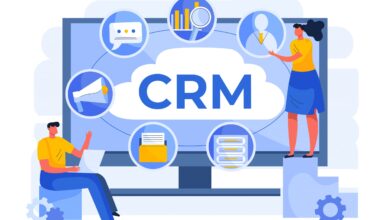
CRM automation tools have revolutionized how businesses manage their customer relationships. From enhancing productivity to improving data analysis, these tools play a crucial role in streamlining operations and boosting efficiency. Dive into the world of CRM automation tools with us to explore their benefits and impact on modern businesses.
Benefits of CRM Automation Tools
CRM automation tools have revolutionized the way businesses manage their customer relationships and streamline their operations. Here are five key benefits of utilizing CRM automation tools:




1. Improved Customer Engagement
- Automated CRM tools enable businesses to track customer interactions, preferences, and purchase history in real-time, allowing for personalized and targeted communication.
- By analyzing customer data, businesses can anticipate needs, tailor their marketing strategies, and provide timely support, ultimately enhancing customer satisfaction and loyalty.
2. Enhanced Productivity and Efficiency
- CRM automation tools automate repetitive tasks like data entry, follow-ups, and lead nurturing, freeing up valuable time for employees to focus on more strategic activities.
- By centralizing customer information and communication channels, businesses can improve collaboration among teams, reduce errors, and speed up decision-making processes.
3. Increased Sales and Revenue
- By providing insights into customer behavior and preferences, CRM automation tools help businesses identify new opportunities, prioritize leads, and create targeted marketing campaigns that drive conversions and boost sales.
- Automated lead scoring and tracking functionalities enable sales teams to prioritize high-value prospects and engage with them at the right time, leading to higher conversion rates.
4. Better Data Management and Reporting
- CRM automation tools centralize customer data, interactions, and sales activities in one platform, providing a comprehensive view of the customer journey and sales pipeline.
- Advanced reporting and analytics features allow businesses to track key performance indicators, monitor trends, and make data-driven decisions to optimize processes and strategies.
5. Improved Customer Service and Retention
- CRM automation tools facilitate faster response times, personalized communication, and proactive customer service, leading to higher customer satisfaction and retention rates.
- By automating customer follow-ups, reminders, and feedback collection, businesses can nurture relationships, address issues promptly, and build long-lasting customer loyalty.
Features of CRM Automation Tools
CRM automation tools offer a wide range of features that help businesses streamline their customer relationship management processes, leading to improved efficiency and customer satisfaction.
Comparison of Key Features of Popular CRM Automation Tools
| Features | Tool A | Tool B | Tool C |
|---|---|---|---|
| Lead Management | ✔ | ✔ | ✔ |
| Workflow Automation | ✔ | ✔ | ✔ |
| Integration with Third-Party Apps | ✔ | ✔ | ✔ |
| Reporting and Analytics | ✔ | ✔ | ✔ |
How Each Feature Contributes to Streamlining CRM Processes
- Lead Management: Allows businesses to track and nurture leads efficiently, ensuring no potential customer falls through the cracks.
- Workflow Automation: Automates repetitive tasks, saving time and reducing the chance of errors in the CRM process.
- Integration with Third-Party Apps: Enables seamless data sharing between different platforms, improving overall productivity and data accuracy.
- Reporting and Analytics: Provides valuable insights into customer behavior and helps businesses make data-driven decisions to enhance their CRM strategies.
The Importance of Customization Options in CRM Automation Tools
Customization options in CRM automation tools allow businesses to tailor the system to their specific needs and workflows. This flexibility ensures that the CRM tool aligns perfectly with the business processes, leading to increased efficiency and effectiveness in managing customer relationships.
Implementation of CRM Automation Tools
Implementing CRM automation tools in a small business can significantly enhance productivity and efficiency. Here is a step-by-step guide on how to implement CRM automation tools effectively:
Best Practices for Migrating Data to a CRM Automation System
When migrating data to a CRM automation system, it is crucial to follow best practices to ensure a smooth transition. Here are some key practices to consider:
- Assess your current data: Before migrating data, assess the quality and relevance of your existing data. Clean up any duplicate or outdated information to ensure accurate data migration.
- Choose the right CRM system: Select a CRM automation system that aligns with your business needs and goals. Consider factors such as scalability, integration capabilities, and user-friendliness.
- Train your team: Provide comprehensive training to your team members on how to use the new CRM system effectively. This will help them adapt quickly to the changes and maximize the benefits of automation.
- Test the migration process: Before fully migrating all your data, conduct thorough testing to identify any potential issues or errors. This will help minimize disruptions and ensure a successful data migration.
- Monitor and optimize: Continuously monitor the performance of your CRM automation system and make necessary optimizations to improve efficiency and effectiveness.
Common Challenges Faced During the Implementation Process and How to Overcome Them
Implementing CRM automation tools may come with challenges, but with the right approach, these challenges can be overcome. Here are some common challenges and how to address them:
- Lack of user adoption: To overcome this challenge, involve your team members from the early stages of implementation, provide adequate training, and demonstrate the benefits of CRM automation tools.
- Data migration issues: Address data migration challenges by thoroughly planning the migration process, testing for potential errors, and ensuring data accuracy before fully transitioning to the new system.
- Integration complexities: Simplify integration complexities by choosing a CRM system that offers seamless integration with other tools and applications used in your business operations.
- Resistance to change: Overcome resistance to change by communicating the benefits of CRM automation tools, addressing concerns, and involving employees in the decision-making process.
- Insufficient resources: Allocate sufficient resources, including time, budget, and expertise, to ensure a successful implementation of CRM automation tools in your small business.
Integration with Other Business Tools
Integrating CRM automation tools with other business applications is crucial for enhancing operational efficiency and optimizing customer interactions.
Third-Party Tools Integration
CRM automation systems can be seamlessly integrated with various third-party tools to streamline processes and improve overall business performance. Some examples include:
- Zapier: Allows for easy automation of tasks between different apps without any coding.
- Mailchimp: Enables targeted email marketing campaigns based on CRM data for better customer engagement.
- Google Analytics: Integrating CRM data with web analytics provides valuable insights into customer behavior and preferences.
Benefits of Integrating CRM with Marketing Automation
Integrating CRM automation tools with marketing automation platforms offers numerous benefits:
- Improved lead nurturing through personalized communication and targeted campaigns.
- Enhanced customer interactions with tailored messaging based on customer data.
- Streamlined data management for better decision-making and customer segmentation.
Importance of Seamless Integration
Seamless integration between CRM automation and other business tools is essential for maximizing efficiency:
- Reduces manual data entry and minimizes errors by automating data transfer between systems.
- Enhances cross-department collaboration by ensuring all teams have access to up-to-date customer information.
- Enables real-time data synchronization for timely insights and accurate reporting.
Comparison of Integration Methods
There are different methods for integrating CRM automation tools with other platforms, each with its advantages and considerations:
- API-based connections: Provide real-time data exchange but may require technical expertise for setup and maintenance.
- Pre-built connectors: Offer easy integration with popular tools but may have limitations in customization.
- Custom development: Allows for tailored integration to meet specific business requirements but can be time-consuming and costly.
Customization and Personalization
Customization and personalization tools play a crucial role in CRM automation software by enabling businesses to create tailored experiences for their customers. This ultimately helps in enhancing customer relationships and driving customer loyalty.
Tailored Marketing Campaigns
- By leveraging customization and personalization tools, businesses can create targeted marketing campaigns based on customer preferences, behavior, and interactions.
- This personalized approach results in higher customer engagement as customers feel understood and valued.
- As a result, businesses can see increased customer retention rates and improved overall satisfaction.
Personalized Email Campaigns
- Personalized email campaigns allow businesses to nurture leads by sending relevant content to the right audience at the right time.
- By segmenting customers and sending personalized messages, businesses can increase open rates and conversions.
- Automated workflows can be set up to trigger personalized emails based on specific customer actions or milestones.
Personalized Product Recommendations
- Utilizing customer data, businesses can provide personalized product recommendations to customers based on their purchase history, preferences, and browsing behavior.
- Personalized recommendations can lead to increased cross-selling and upselling opportunities as customers are more likely to purchase products that are relevant to them.
- This targeted approach not only boosts sales but also enhances the overall customer experience.
Utilizing Customer Data for Personalized Experiences
- Businesses can use customer data to create personalized experiences across various touchpoints, such as website interactions, customer service interactions, and marketing communications.
- By analyzing customer data, businesses can gain insights into customer preferences, behavior, and needs, allowing them to tailor their offerings and communications accordingly.
- Personalized experiences can help build strong customer relationships, increase customer loyalty, and drive repeat business.
Data Management and Analytics
CRM automation tools play a crucial role in data management and analytics within businesses. By centralizing customer data, these tools enable businesses to efficiently organize, store, and analyze large volumes of information to gain valuable insights.
Role of Analytics in Decision-Making
Analytics generated by CRM automation tools provide businesses with actionable insights that can significantly improve decision-making processes. By analyzing customer behaviors, preferences, and interactions, businesses can make informed decisions to enhance customer satisfaction and drive revenue growth.
- Identifying trends and patterns in customer data to anticipate future needs and preferences.
- Measuring the effectiveness of marketing campaigns and sales strategies to optimize performance.
- Tracking customer engagement metrics such as conversion rates, customer retention, and lifetime value.
Mobile Accessibility
Mobile accessibility plays a crucial role in CRM automation tools, allowing users to access important customer data on the go. With the increasing reliance on mobile devices in today’s fast-paced business environment, having a CRM system that is mobile-friendly is essential for staying connected and responsive to customer needs.
Enhanced User Experience
- Mobile CRM applications provide flexibility and convenience for users who need to access customer information outside of the office.
- Users can easily view, update, and track customer data in real-time, enhancing productivity and efficiency.
- Features like push notifications and geolocation services can further enhance the user experience by providing timely updates and insights.
Real-time Access to Customer Data
- Mobile accessibility enables sales representatives and customer service agents to access customer data on the spot during meetings or interactions.
- Having real-time access to customer information allows for more personalized interactions and quicker response times to customer inquiries.
- With mobile CRM applications, businesses can stay connected with their customers 24/7, leading to improved customer satisfaction and loyalty.
Automation Workflows
Automation workflows play a crucial role in streamlining processes within Customer Relationship Management (CRM) systems. These workflows allow businesses to automate repetitive tasks, reduce manual errors, and ensure timely follow-ups with customers.
Examples of Automation Workflows
- Lead Nurturing: Automatically send targeted emails based on customer interactions to move leads through the sales funnel.
- Deal Progression: Notify sales representatives when a deal reaches a specific stage for timely follow-up.
- Customer Onboarding: Send automated messages to new customers to guide them through the onboarding process.
Setting Up Automation Workflows
- Define Triggers: Identify the specific actions or events that will initiate the automation workflow.
- Specify Actions: Determine the tasks that need to be performed automatically once the trigger is activated.
- Set Conditions: Establish the criteria that must be met for the workflow to proceed or stop.
Benefits of Automation Workflows
- Increased Productivity: Automation reduces manual work, allowing employees to focus on high-value tasks.
- Improved Accuracy: Automated workflows minimize human errors that can occur in manual processes.
- Enhanced Customer Engagement: Timely and personalized interactions with customers lead to better engagement and satisfaction.
CRM Platforms Comparison for Automation Workflows
| CRM Platform | Unique Automation Workflow Capabilities |
|---|---|
| HubSpot | Visual workflow builder for creating complex automation sequences. |
| Salesforce | Process Builder to automate tasks based on specified criteria. |
| Zoho CRM | Blueprint feature for designing and automating sales processes. |
Training and Support
Training and support are crucial components of successful CRM automation tool implementation. Providing personalized training modules and dedicated support can significantly enhance user proficiency and overall satisfaction with the CRM system.
Personalized Training Modules
Creating interactive training materials tailored to different departments is essential in helping employees understand how to effectively use CRM automation tools. Here’s a step-by-step guide on developing engaging training modules:
- Identify specific needs and challenges of each department.
- Create customized training materials focusing on relevant features and functionalities.
- Incorporate interactive elements such as quizzes, simulations, and hands-on exercises.
- Offer ongoing training sessions to reinforce learning and address any questions or concerns.
Regular Training Sessions
Conducting regular training sessions is key to keeping employees updated on new CRM tool features and functionalities. The benefits of these sessions include:
- Enhanced user adoption and proficiency.
- Increased productivity and efficiency in utilizing CRM automation tools.
- Improved data accuracy and consistency across departments.
Measuring Training Effectiveness
To measure the effectiveness of training programs, consider implementing the following strategies:
- Conduct pre and post-training assessments to gauge knowledge improvement.
- Solicit feedback from employees on the training content and delivery.
- Track user engagement and utilization of CRM automation tools post-training.
Dedicated Support Personnel
Assigning dedicated support personnel is essential for addressing technical issues and questions related to CRM systems. Some best practices for offering 24/7 technical support include:
- Ensuring quick response times and resolutions for CRM-related problems.
- Providing multi-channel support options such as phone, email, and chat.
- Creating a knowledge base or FAQ section to empower employees to troubleshoot common CRM issues independently.
Proactive Customer Support
Proactive customer support can lead to increased satisfaction and successful utilization of CRM automation tools. By anticipating user needs and offering timely assistance, businesses can foster stronger relationships with their employees and maximize the benefits of CRM systems.
Security and Compliance
In the realm of CRM automation tools, ensuring the security and compliance of sensitive customer data is paramount to maintaining trust and protecting privacy.
Security Measures
- Encryption: Data encryption is used to secure information both in transit and at rest, ensuring that only authorized users can access it.
- Access Control: Role-based access control mechanisms restrict data access to only those who require it for their job function.
- Audit Trails: Detailed audit logs track user activity and changes to data, providing visibility and accountability.
Compliance with Regulations
- GDPR Compliance: CRM automation tools adhere to the General Data Protection Regulation (GDPR) guidelines to safeguard personal data and uphold individual rights.
- HIPAA Compliance: For healthcare organizations, compliance with the Health Insurance Portability and Accountability Act (HIPAA) ensures the protection of patient information.
Examples of Security Features
- Two-Factor Authentication: Enhances login security by requiring users to provide two forms of verification.
- Data Masking: Conceals sensitive data fields to prevent unauthorized access.
- Vulnerability Scanning: Regular scans identify and address potential security vulnerabilities in the system.
Scalability
When it comes to CRM automation tools, scalability is a crucial factor to consider as businesses grow and expand their operations. The ability of a CRM system to scale effectively can determine its long-term success in meeting the evolving needs of the organization.
Challenges of Scaling CRM Systems
- Increased data volume and complexity
- Integration with other systems
- Performance issues with larger user bases
Vertical Scaling vs. Horizontal Scaling
Vertical scaling involves adding more resources to a single server, while horizontal scaling distributes the workload across multiple servers. Each approach has its benefits and limitations when it comes to scaling CRM systems.
| Vertical Scaling | Horizontal Scaling |
|---|---|
| Increased power and capacity of a single server | Ability to handle increased workload by adding more servers |
| Cost-effective for smaller businesses | Higher cost but better performance for larger businesses |
Planning for Scalability
- Assess current needs and future growth projections
- Choose a CRM system with scalability in mind
- Regularly review and optimize system performance
Case Study: Company X
Company X successfully scaled their CRM system by implementing a cloud-based solution that allowed for seamless integration with other business tools. They also conducted regular performance reviews and invested in training their staff to effectively utilize the system’s scalability features. As a result, Company X was able to accommodate their growing customer base and improve overall operational efficiency.
Cost Considerations
When it comes to CRM automation tools, cost considerations play a crucial role in the decision-making process for businesses. Understanding the pricing models, factors influencing costs, and evaluating cost-effectiveness are essential steps in selecting the right CRM tool for your organization.
Pricing Models
- Subscription-based: Many CRM automation tools offer subscription-based pricing, where businesses pay a monthly or annual fee for access to the software.
- Per-user pricing: Some tools charge based on the number of users accessing the CRM system, making it scalable for growing businesses.
- Custom pricing: Larger enterprises may opt for custom pricing plans tailored to their specific needs and requirements.
Factors Influencing Cost
- Features and functionalities: The more advanced features a CRM tool offers, the higher the cost is likely to be.
- Integration capabilities: Tools that seamlessly integrate with other business applications may come at a higher price point.
- Implementation and training: Costs associated with implementation, customization, and training can vary based on the complexity of the CRM system.
Evaluating Cost-Effectiveness
- ROI analysis: Conduct a thorough analysis to determine the return on investment the CRM tool is expected to bring to your business.
- Scalability: Consider the scalability of the CRM tool to ensure it can grow with your business without incurring significant additional costs.
- User feedback: Gather feedback from users to assess the value and usability of the CRM tool in relation to its cost.
Future Trends in CRM Automation
As we look towards the future of CRM automation tools, several trends are expected to shape the industry based on current market dynamics. One of the key driving forces is the advancement of artificial intelligence (AI) and machine learning, which are set to revolutionize the way businesses manage customer relationships. These technologies have the potential to automate processes, analyze data more efficiently, and provide valuable insights for personalized customer interactions.
Impact of Artificial Intelligence and Machine Learning
AI and machine learning are expected to have a profound impact on the future of CRM systems. These technologies can enhance automation capabilities, allowing businesses to streamline workflows, analyze customer data in real-time, and predict customer behavior. By leveraging AI in CRM automation, businesses can create more personalized customer experiences, improve efficiency, and drive better decision-making processes.
- AI-powered chatbots for instant customer support
- Predictive analytics for forecasting customer needs
- Automated lead scoring for targeted marketing campaigns
Emerging Technologies in CRM Automation
Various emerging technologies such as augmented reality (AR), virtual reality (VR), and Internet of Things (IoT) are expected to shape the evolution of CRM automation tools. These technologies can enable businesses to deliver immersive customer experiences, gather real-time customer data, and enhance customer engagement. Industries such as retail, healthcare, and e-commerce are likely to benefit the most from these advancements in CRM automation.
- AR and VR for virtual product demonstrations
- IoT devices for real-time customer insights
- Blockchain for secure customer data management
Personalized Customer Experiences through AI Integration
By integrating AI into CRM automation, businesses can create highly personalized customer experiences. AI algorithms can analyze customer data, predict preferences, and recommend tailored products or services. This level of personalization can help businesses build stronger relationships with customers, increase loyalty, and drive revenue growth.
- Recommendation engines for personalized product suggestions
- Behavioral analysis for targeted marketing campaigns
- Dynamic content creation based on customer preferences
Optimizing CRM Automation with Data Analytics
Data analytics plays a crucial role in optimizing CRM automation processes and improving customer relationship management. By analyzing customer data, businesses can gain valuable insights into customer behavior, preferences, and trends. This data-driven approach can help businesses make informed decisions, improve customer interactions, and drive business growth.
- Segmentation analysis for targeted marketing strategies
- Trend analysis for forecasting customer needs
- Performance metrics tracking for measuring CRM effectiveness
Conclusion
In conclusion, CRM automation tools are essential for businesses looking to stay competitive in today’s market. With their ability to streamline processes, enhance customer relationships, and improve decision-making, these tools are a must-have for any forward-thinking company. Embrace the power of CRM automation tools and watch your business thrive in the digital age.