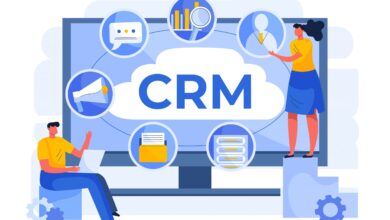
Cloud CRM system, a game-changer in managing customer relationships, offers businesses a dynamic and efficient solution to enhance interactions and drive growth. From its inception to practical applications, let’s explore the world of cloud CRM systems.
Introduction to Cloud CRM System
A Cloud CRM system, or Customer Relationship Management system, is a software solution that enables businesses to manage interactions with current and potential customers efficiently. It is hosted on remote servers and accessed through the internet, providing flexibility and scalability for businesses of all sizes.




Evolution of Cloud CRM Systems
Cloud CRM systems have evolved from on-premise software to cloud-based solutions, offering various benefits such as accessibility, cost-effectiveness, and ease of implementation. These systems have become crucial tools for businesses looking to streamline their customer management processes.
Benefits of Using a Cloud CRM System
- Improved data accessibility and collaboration
- Scalability to accommodate business growth
- Enhanced security and data backup
- Seamless integration with other business tools
Key Features of a Cloud CRM System
- Lead and contact management
- Sales forecasting and pipeline management
- Marketing automation
- Campaign management
Popular Cloud CRM Systems in the Market
- Salesforce
- HubSpot CRM
- Zoho CRM
- Microsoft Dynamics 365
Features of Cloud CRM Systems
Cloud CRM systems offer a wide range of features that enhance customer relationship management and streamline business operations. Let’s delve into some key features of a Cloud CRM system and how they compare to traditional CRM systems.
1. Accessibility and Scalability
Cloud CRM systems can be accessed from anywhere with an internet connection, making it convenient for remote teams or employees on the go. Additionally, these systems can easily scale up or down based on the needs of the business, allowing for flexibility and cost-effectiveness.
2. Integration Capabilities
Cloud CRM systems often come with built-in integration capabilities, allowing for seamless connectivity with other software applications such as email marketing tools, social media platforms, and e-commerce platforms. This integration enhances data flow and provides a more comprehensive view of customer interactions.
3. Automation and Workflow Management
Automation features in Cloud CRM systems help streamline repetitive tasks, such as sending follow-up emails, updating customer records, or triggering notifications based on predefined rules. Workflow management tools enable businesses to create and manage complex processes efficiently.
4. Data Analytics and Reporting
Cloud CRM systems provide advanced data analytics and reporting functionalities, allowing businesses to track and analyze customer interactions, sales trends, and performance metrics. These insights help in making informed decisions and optimizing marketing strategies.
5. Mobile Accessibility
With the increasing reliance on mobile devices, Cloud CRM systems offer mobile applications that enable users to access critical customer data, manage tasks, and communicate with clients on the go. This mobile accessibility enhances productivity and responsiveness.
Importance of Data Security in Cloud CRM Systems
Data security is a top priority for businesses utilizing Cloud CRM systems. These systems implement robust security measures such as encryption, access controls, and regular data backups to protect sensitive customer information from unauthorized access or data breaches. Compared to traditional CRM systems, Cloud CRM systems often have more stringent security protocols in place to ensure data integrity and confidentiality.
Improving Customer Engagement and Retention
Cloud CRM systems play a crucial role in enhancing customer engagement and retention across various industries. For example, in e-commerce, personalized recommendations based on customer purchase history can increase sales and loyalty. In healthcare, automated appointment reminders and tailored healthcare plans improve patient satisfaction. In telecommunications, proactive customer service through instant chat support boosts customer loyalty and reduces churn rates.
Implementation of Cloud CRM Systems
Implementing a Cloud CRM system involves several key steps to ensure a successful transition and adoption within an organization. It is crucial to carefully plan and execute each stage of the implementation process to leverage the full benefits of the system.
Steps Involved in Implementing a Cloud CRM System
- Assessment of business needs and goals to determine CRM requirements.
- Selection of a suitable Cloud CRM provider based on functionality, scalability, and pricing.
- Data migration from existing systems to the Cloud CRM platform.
- Customization of the CRM system to align with specific business processes.
- Training and onboarding of employees to ensure effective utilization of the system.
- Implementation of data security measures to safeguard sensitive information.
Common Challenges Faced During Implementation
- Resistance to change from employees accustomed to traditional systems.
- Data quality issues during the migration process.
- Lack of adequate training leading to underutilization of the system.
- Integration complexities with existing applications and tools.
Best Practices for a Successful Cloud CRM Implementation
- Involve key stakeholders in the decision-making process from the beginning.
- Develop a comprehensive implementation plan with clear timelines and responsibilities.
- Regularly communicate with employees to address concerns and provide support.
- Monitor system performance and user feedback to make necessary adjustments.
Key Considerations When Selecting a Cloud CRM Provider
- Scalability and flexibility to accommodate future growth and changes.
- Data security measures and compliance with industry regulations.
- User-friendly interface and customization options for tailored solutions.
- Integration capabilities with other software and applications.
Data Migration Process in Cloud CRM Transition
- Assess existing data quality and clean up redundant or outdated information.
- Map data fields between current systems and the Cloud CRM platform for seamless transfer.
- Perform test migrations to identify and resolve any issues before final data transfer.
Customization Options for Cloud CRM Systems
- Configure workflows, reports, and dashboards to meet specific business requirements.
- Add custom fields and modules to capture unique data elements relevant to the organization.
- Create user-defined roles and permissions for controlled access to sensitive data.
Training and Onboarding Procedures for Employees
- Provide comprehensive training sessions with hands-on practice and simulations.
- Assign dedicated support staff or superusers to assist employees during the initial phase.
- Offer continuous training opportunities to enhance user proficiency and adoption rates.
Importance of Data Security Measures
- Implement encryption protocols to protect data in transit and at rest.
- Enforce strict access controls and permissions to prevent unauthorized access.
- Regularly update security patches and conduct vulnerability assessments to mitigate risks.
Case Study: Successful Cloud CRM Implementation
A leading retail company implemented a Cloud CRM system, resulting in a 20% increase in customer retention rates and a 15% growth in sales revenue within the first year. The system streamlined customer interactions, improved marketing campaigns, and provided valuable insights for targeted sales strategies.
Customization and Integration
Customizing a Cloud CRM system is crucial to meet the specific needs of a business. By tailoring the system to match the unique processes, workflows, and data requirements of a company, it can maximize efficiency and effectiveness in managing customer relationships.
Integration with Other Software Applications
Integrating Cloud CRM systems with other software applications can streamline operations and enhance overall productivity. Some examples of integration include linking CRM with email marketing platforms like Mailchimp, or connecting CRM with accounting software such as QuickBooks.
Role of APIs in Integration
APIs (Application Programming Interfaces) play a vital role in integrating Cloud CRM systems with third-party tools. They enable seamless communication between different software applications, allowing data to be shared and synchronized in real-time.
Data Field Mapping Process
When integrating a Cloud CRM system with another software application, the process of mapping data fields ensures that information is accurately transferred between the two platforms. This involves matching fields such as customer name, email, address, etc., to ensure consistency and coherence in data exchange.
Automated Data Synchronization Setup
Setting up automated data synchronization between a Cloud CRM system and other tools involves configuring the system to automatically update and exchange data at regular intervals. This ensures that information remains current and consistent across all integrated platforms.
Benefits of Custom Dashboards and Reports
Creating custom dashboards and reports in a Cloud CRM system allows businesses to track specific Key Performance Indicators (KPIs) effectively. By visualizing data in a way that is tailored to the organization’s goals and objectives, decision-makers can gain valuable insights and make informed strategic decisions.
Data Security in Cloud CRM Systems
When it comes to Cloud CRM systems, data security is a top priority to protect sensitive information and maintain customer trust. Let’s delve into the security measures, compliance regulations, and encryption techniques used to safeguard data in Cloud CRM systems.
Security Measures
- Access Control: Cloud CRM systems implement strict access control measures to ensure that only authorized personnel can view or modify sensitive data.
- Data Encryption: All data stored in the cloud is encrypted, both in transit and at rest, using advanced encryption algorithms to prevent unauthorized access.
- Regular Audits: Regular security audits are conducted to identify and address any vulnerabilities in the system, ensuring continuous monitoring and improvement of security measures.
- Multi-factor Authentication: To enhance security, Cloud CRM systems often use multi-factor authentication to verify the identity of users before granting access to the system.
Compliance Regulations
- GDPR: Cloud CRM systems must comply with the General Data Protection Regulation (GDPR) to ensure the privacy and protection of personal data of individuals within the European Union.
- HIPAA: For healthcare organizations, compliance with the Health Insurance Portability and Accountability Act (HIPAA) is crucial to protect patient information and maintain confidentiality.
- PCI DSS: Cloud CRM systems handling payment card information need to adhere to the Payment Card Industry Data Security Standard (PCI DSS) to prevent data breaches and secure financial transactions.
Encryption Techniques
- SSL/TLS: Secure Socket Layer (SSL) and Transport Layer Security (TLS) protocols are commonly used to encrypt data transmitted between the user’s device and the Cloud CRM system, ensuring secure communication.
- End-to-End Encryption: Some Cloud CRM systems offer end-to-end encryption, where data is encrypted on the user’s device before being transmitted to the cloud, providing an extra layer of security.
- Key Management: Encryption keys are securely managed to protect data integrity and confidentiality, with strict controls in place to prevent unauthorized access to sensitive information.
Scalability and Flexibility
Cloud CRM systems offer scalability and flexibility that are essential for growing businesses to adapt to changing needs and demands.
Scalability in Cloud CRM Systems
One of the key advantages of Cloud CRM systems is their ability to scale resources up or down based on business requirements. This means that as a business grows, it can easily expand its CRM system to accommodate more data, users, and functionalities without the need for significant infrastructure investments. For example, a small startup can start with a basic CRM package and then seamlessly upgrade to a more robust solution as its customer base expands.
Flexibility in Cloud CRM Systems
Flexibility in Cloud CRM systems allows businesses to customize and adapt the system to suit their specific needs. This means that businesses can tailor the CRM system to their unique workflows, processes, and customer interactions. For instance, businesses can create custom fields, workflows, and reports to align the CRM system with their business objectives and strategies.
Leveraging Scalability and Flexibility
- Businesses can leverage the scalability of Cloud CRM systems by easily adding or removing users as needed, ensuring that they only pay for the resources they use.
- Flexibility in Cloud CRM systems enables businesses to integrate third-party applications and tools, such as marketing automation software or social media platforms, to enhance customer engagement and improve overall efficiency.
- With the ability to scale and customize their CRM systems, businesses can stay agile and responsive to changing market conditions, ensuring that they can adapt quickly to meet evolving customer needs.
User Interface and User Experience
Having a user-friendly interface is crucial in Cloud CRM systems as it directly impacts how efficiently users can interact with the system. A well-designed user interface can enhance user experience, increase productivity, and drive user adoption.
Importance of a User-Friendly Interface
Having a user-friendly interface in a Cloud CRM system is essential for several reasons:
- Improves usability and accessibility for users of all levels of expertise
- Reduces training time and costs for new users
- Increases user satisfaction and engagement
- Boosts productivity and efficiency by facilitating easy navigation and task completion
Tips for Designing an Intuitive User Interface
When designing the user interface for a Cloud CRM system, consider the following tips:
- Keep it simple and clutter-free to avoid overwhelming users
- Use intuitive navigation and layout to guide users through the system seamlessly
- Provide clear and concise instructions or tooltips for complex features
- Optimize for mobile devices to ensure a responsive design across different platforms
Impact of Good User Experience on Adoption
A good user experience can significantly impact the adoption of a Cloud CRM system in the following ways:
- Increases user satisfaction and engagement, leading to higher user retention rates
- Reduces resistance to change as users find the system easy to use and navigate
- Improves overall productivity and efficiency as users can quickly perform tasks without frustration
- Enhances collaboration and communication among team members through a streamlined interface
Mobile Access and Compatibility
Mobile access has become increasingly crucial in Cloud CRM systems as it allows users to stay connected and productive while on the go. With the rise of remote work and the need for real-time updates, having the ability to access CRM data from mobile devices is essential for businesses to stay competitive in today’s fast-paced environment.
Significance of Mobile Access
- Mobile access enables users to access CRM data anytime, anywhere, increasing productivity and efficiency.
- It allows for quick decision-making and immediate responses to customer inquiries or issues.
- Users can stay connected to the CRM system even when they are not at their desks, ensuring seamless workflow and communication.
Importance of Compatibility
- Compatibility with various devices and operating systems ensures that users can access the CRM system regardless of the device they are using.
- It provides flexibility and convenience, allowing users to choose their preferred device without compromising functionality.
- Compatibility enhances user experience and satisfaction, leading to higher adoption rates and improved overall efficiency.
Enhancing User Productivity
- Mobile access allows sales representatives to update customer information, track leads, and manage tasks while on the go, increasing their productivity and effectiveness.
- Field service technicians can access work orders, inventory data, and customer histories from their mobile devices, enabling them to provide faster and more accurate service.
- Managers can review reports, monitor team performance, and approve requests remotely, ensuring smooth operations even when they are away from the office.
Integration and Synchronization
- To ensure seamless integration and synchronization between a Cloud CRM system and mobile devices, it is essential to use reliable synchronization tools and APIs.
- Data should be synced in real-time to avoid any discrepancies or delays in information updates.
- User authentication and access controls should be in place to maintain data security and prevent unauthorized access from mobile devices.
User Experience on Different Mobile Platforms
- When accessing a Cloud CRM system on different mobile platforms like iOS and Android, the user experience may vary in terms of interface design, navigation, and performance.
- iOS users may experience a more streamlined and intuitive interface, while Android users may benefit from more customization options and flexibility.
- Regardless of the platform, it is crucial to optimize the user experience for each device to ensure ease of use and efficiency.
Security Measures for Mobile Access
- Implementing strong encryption protocols, multi-factor authentication, and remote wipe capabilities are essential for securing data accessed from mobile devices.
- Regular security updates and patches should be applied to mobile CRM apps to protect against potential vulnerabilities and cyber threats.
- User training on best practices for mobile security and data protection is essential to minimize risks and ensure compliance with data privacy regulations.
Role of Responsive Design
- Responsive design plays a key role in ensuring optimal user experience across different screen sizes and resolutions, adapting the CRM interface to fit the device’s display.
- By using responsive design techniques, the CRM system can provide a consistent and user-friendly experience on smartphones, tablets, and other mobile devices.
- Responsive design enhances accessibility and usability, allowing users to interact with the CRM system seamlessly regardless of the device they are using.
Reporting and Analytics
Cloud CRM systems offer robust reporting capabilities that allow businesses to track and analyze various aspects of their customer interactions and sales processes. These reporting features provide valuable insights into customer behavior, sales performance, and overall business operations.
Role of Analytics in CRM
Analytics play a crucial role in extracting meaningful insights from the vast amount of data stored in a Cloud CRM system. By leveraging advanced analytics tools, businesses can identify trends, patterns, and correlations within their CRM data. This enables them to make data-driven decisions, optimize processes, and improve overall business performance.
- Analytics tools help businesses uncover hidden opportunities for growth and identify areas for improvement.
- By analyzing customer data, businesses can segment their customer base, personalize marketing campaigns, and improve customer retention.
- Analytics also enable businesses to track key performance indicators (KPIs) and measure the effectiveness of their sales and marketing strategies.
Benefits of Reporting and Analytics Features
Reporting and analytics features in Cloud CRM systems empower businesses to make informed decisions based on real-time data and insights. These features offer the following benefits:
- Improved decision-making: By providing accurate and up-to-date information, reporting and analytics tools help businesses make informed decisions that drive growth and profitability.
- Enhanced customer insights: Businesses can gain a deeper understanding of their customers’ preferences, behaviors, and needs through data analysis, leading to more personalized interactions and improved customer satisfaction.
- Optimized processes: By identifying bottlenecks, inefficiencies, and areas for improvement, reporting and analytics features help businesses streamline their operations and increase efficiency.
Training and Support
Training employees on using a Cloud CRM system is crucial for the successful implementation and utilization of the system. Proper training ensures that users understand how to navigate the system, input data accurately, and take advantage of all the features available to them.
Different Training Methods
- On-site Training: Involves trainers coming to the workplace to conduct hands-on training sessions with employees.
- Online Training Modules: Interactive online modules that users can access at their convenience to learn about the Cloud CRM system.
- Webinars and Virtual Training: Live or recorded sessions conducted online to educate users about the system.
- User Guides and Documentation: Providing comprehensive guides and manuals for employees to refer to when using the system.
Role of Ongoing Support
Ongoing support plays a vital role in maintaining a successful Cloud CRM system. It ensures that users have assistance whenever they encounter issues or need clarification on how to perform certain tasks within the system. Support can be provided through various channels such as email, phone, live chat, or a dedicated help desk. Regular updates, troubleshooting assistance, and continuous training opportunities are essential components of ongoing support to keep the system running smoothly.
Cost Considerations
Implementing a Cloud CRM system involves various cost factors that organizations need to consider. Let’s delve into the analysis of these costs and explore strategies for optimizing expenses.
Cost Factors of Cloud CRM Systems
- Initial Setup Costs: Businesses need to allocate budgets for setting up the Cloud CRM system, which may include customization, data migration, and training expenses.
- Subscription Fees: Cloud CRM solutions typically involve subscription-based pricing, where organizations pay a recurring fee for software access and support.
- Potential Customization Expenses: Customizing the Cloud CRM system to align with specific business requirements can incur additional costs.
Comparison with On-Premise CRM Solutions
- Hardware Costs: On-premise CRM solutions often require significant upfront investments in hardware infrastructure, which can be avoided with Cloud CRM systems.
- Maintenance Expenses: Cloud CRM systems relieve businesses from the burden of maintaining hardware and software, reducing ongoing maintenance costs.
- Scalability Implications: Cloud CRM systems offer more scalable options, allowing organizations to adjust resources based on demand without incurring excess costs.
Optimizing Costs with Cloud CRM Systems
- Monitoring Usage Levels: By tracking system usage patterns, businesses can identify areas for optimization and cost reduction.
- Leveraging Pay-As-You-Go Pricing Models: Opting for pay-as-you-go pricing can help organizations pay only for the resources they use, minimizing unnecessary expenses.
- Regular Cost Assessments: Conducting regular assessments of Cloud CRM costs enables businesses to identify cost-saving opportunities and refine their budgeting strategies.
Long-Term Cost Implications
- Data Storage Costs: As data volumes grow, businesses need to account for potential increases in storage costs associated with a Cloud CRM system.
- Integration Expenses: Integrating the Cloud CRM system with other applications or platforms may involve additional costs, impacting the overall budget.
- Potential Savings in IT Infrastructure: By migrating to a Cloud CRM system, organizations can achieve savings in IT infrastructure costs, such as server maintenance and upgrades.
Industry Trends and Future Outlook
The landscape of Cloud CRM technology is constantly evolving, with new trends shaping the future of customer relationship management systems. Let’s explore some of the recent innovations and adoptions in the industry, as well as predict future developments based on market analysis and expert opinions.
AI Integration in Cloud CRM
AI integration in Cloud CRM systems is a growing trend, with companies leveraging artificial intelligence to enhance customer interactions and streamline processes. For example, chatbots powered by AI can provide instant customer support, while AI-driven analytics help businesses gain valuable insights from customer data.
IoT Connectivity in Cloud CRM
The Internet of Things (IoT) is also playing a significant role in shaping the future of Cloud CRM systems. By connecting devices and collecting real-time data, companies can personalize customer experiences and deliver targeted marketing campaigns. For instance, IoT sensors in retail stores can track customer behavior and preferences, enabling businesses to offer tailored promotions.
Data Security and Privacy Regulations
As data security and privacy regulations become more stringent, Cloud CRM providers are focusing on enhancing security measures to protect customer information. Compliance with regulations such as GDPR and CCPA is crucial for businesses using Cloud CRM systems, ensuring data protection and privacy for their customers.
Platform Comparison for Scalability and Customization
When evaluating Cloud CRM platforms, it’s essential to consider scalability, customization, and integration capabilities. Some platforms may offer more scalability for growing businesses, while others excel in customization options for specific industry needs. It’s important for companies to assess their requirements and choose a platform that aligns with their growth goals and business objectives.
Case Studies and Success Stories
In this section, we will explore real-world examples of businesses that have successfully implemented Cloud CRM systems, highlighting key benefits and outcomes achieved through using these systems, as well as providing insights into the strategies adopted by successful companies in leveraging Cloud CRM technology.
Salesforce Case Study
- One of the most well-known success stories in the realm of Cloud CRM systems is Salesforce. Salesforce revolutionized the CRM industry by offering a cloud-based solution that provided companies with a centralized platform for managing customer relationships.
- By implementing Salesforce’s Cloud CRM system, businesses were able to streamline their sales processes, improve customer communication, and enhance overall productivity.
- Key benefits included increased sales efficiency, improved customer satisfaction, and better data management leading to more informed decision-making.
- Successful companies that leveraged Salesforce’s Cloud CRM technology focused on training employees effectively, customizing the system to their specific needs, and utilizing the advanced analytics capabilities to gain valuable insights into customer behavior.
HubSpot Case Study
- Another notable case study is HubSpot, a company that offers a comprehensive Cloud CRM platform designed to help businesses attract, engage, and delight customers.
- HubSpot’s Cloud CRM system enabled companies to automate marketing efforts, manage leads effectively, and track customer interactions across various channels.
- Businesses that successfully implemented HubSpot’s Cloud CRM technology saw significant improvements in lead generation, customer engagement, and overall revenue growth.
- Key strategies adopted by these companies included creating personalized marketing campaigns, utilizing the platform’s robust analytics tools, and integrating the CRM system with other business applications for seamless data flow.
Comparison with Competing CRM Solutions
In the realm of CRM solutions, Cloud CRM systems and on-premise CRM solutions have been the primary contenders for businesses seeking to manage their customer relationships effectively. Let’s delve into the key differences and advantages of each option.
Scalability, Cost, and Maintenance Requirements
- Cloud CRM systems offer greater scalability as they can easily adjust to the changing needs of a business without requiring extensive hardware upgrades.
- On-premise CRM solutions, on the other hand, may face limitations in scalability due to hardware constraints and require substantial investments in infrastructure for expansion.
- When it comes to cost, Cloud CRM systems typically involve lower upfront expenses as businesses pay for subscriptions based on usage, while on-premise solutions entail higher initial investments in software licenses and hardware.
- In terms of maintenance, Cloud CRM systems are generally easier to manage as updates and maintenance tasks are handled by the service provider, reducing the burden on internal IT teams. On-premise solutions necessitate greater involvement in maintenance and upgrades, leading to higher ongoing maintenance requirements.
Features and Customization Options
- Cloud CRM systems often come with a wide range of features and customization options that cater to diverse business needs, including advanced analytics, automation capabilities, and integration with third-party applications.
- Open-source CRM software, while offering customization options, may lack the comprehensive feature set provided by Cloud CRM systems, leading to potential limitations in functionality and adaptability.
- Businesses opting for Cloud CRM systems can benefit from regular updates and enhancements to features without the need for extensive custom development, ensuring continuous improvement and innovation.
Security Measures and Data Protection
- Cloud CRM systems prioritize security with robust encryption protocols, regular security audits, and data backup procedures to safeguard customer information from cyber threats and data breaches.
- Traditional CRM solutions may rely on on-premise security measures, which could be susceptible to physical breaches or system vulnerabilities, posing risks to sensitive data stored within the organization.
- By leveraging cloud-based security features, businesses can enhance data protection, compliance with industry regulations, and disaster recovery capabilities, ensuring the integrity and confidentiality of customer data.
Detailed Comparison Chart
Create a detailed comparison chart that highlights key performance indicators such as user adoption rates, integration capabilities, and customer support between Cloud CRM systems and proprietary CRM platforms. This will provide a comprehensive overview of the strengths and weaknesses of each solution, enabling businesses to make informed decisions based on their specific requirements and priorities.
Tips for Choosing the Right Cloud CRM System
When selecting a Cloud CRM system for your business, it is essential to consider various factors to ensure that you choose the right solution that meets your specific needs. Conducting thorough research and evaluations before making a decision is crucial to avoid costly mistakes and maximize the benefits of implementing a Cloud CRM system.
Factors to Consider when Selecting a Cloud CRM System
- Scalability: Ensure that the CRM system can grow with your business and accommodate an increasing number of users and data.
- Integration Capabilities: Check if the CRM system can seamlessly integrate with other tools and software used in your organization.
- Customization Options: Look for a CRM system that allows customization to tailor the platform to your unique business processes and requirements.
- Data Security: Prioritize data security features to protect sensitive customer information and ensure compliance with data protection regulations.
Essential Features to Look for in a Cloud CRM System
- Lead Management: Ability to track and manage leads effectively throughout the sales cycle.
- Contact Management: Centralized database for storing and organizing customer information.
- Automation Tools: Features like workflow automation and email marketing automation to streamline processes.
- Reporting and Analytics: Robust reporting capabilities to track performance and make data-driven decisions.
Importance of Conducting Thorough Research and Evaluations
Before making a decision, it is crucial to research multiple Cloud CRM systems, request demos, and gather feedback from users. Evaluating the scalability, customization options, integration capabilities, and data security features will help you make an informed decision that aligns with your business goals and requirements.
End of Discussion
In conclusion, the cloud CRM system emerges as a pivotal tool for businesses to streamline operations, boost customer satisfaction, and stay ahead in a competitive landscape. With its myriad benefits and evolving capabilities, embracing cloud CRM is a strategic move towards sustainable growth and success.