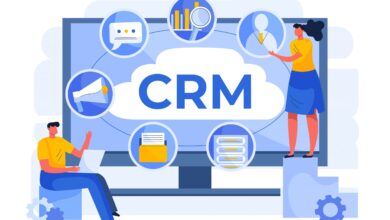
Exploring the world of CRM for startups, this detailed guide offers insights and strategies to help new businesses thrive in managing customer relationships effectively and efficiently.
From understanding the importance of CRM systems to implementing best practices, this comprehensive overview covers everything startups need to know to succeed in their customer relationship management endeavors.




Introduction to CRM for Startups
CRM, or Customer Relationship Management, is a crucial tool for startups to effectively manage their interactions and relationships with customers. CRM systems help startups streamline processes, improve customer satisfaction, and ultimately drive business growth.
Importance of CRM for Startups
Implementing a CRM system is vital for startup success as it allows businesses to centralize customer data, track interactions, and personalize communication. By having a clear view of customer needs and preferences, startups can tailor their marketing strategies and provide better customer service.
- CRM systems enable startups to organize and manage customer information efficiently.
- By analyzing customer data, startups can identify trends, preferences, and opportunities for upselling or cross-selling.
- Personalized communication through CRM systems helps build stronger relationships with customers and increase loyalty.
- Automation features in CRM systems save time and streamline processes, allowing startups to focus on core business activities.
Benefits of CRM for Startups
CRM systems offer a wide range of benefits for startups, helping them improve customer relationships, streamline sales processes, and ultimately drive growth. By utilizing CRM software, startups can effectively manage customer data, track interactions, and enhance overall customer satisfaction.
Improved Customer Retention
- CRM allows startups to personalize customer interactions based on their preferences and purchase history, leading to increased customer loyalty and retention.
- By analyzing customer data and behavior, startups can identify trends and anticipate customer needs, proactively addressing any issues and building stronger relationships.
Streamlined Sales Processes
- CRM systems provide startups with a centralized platform to track leads, manage opportunities, and automate sales tasks, leading to increased efficiency and productivity.
- By integrating CRM with other tools such as email marketing and analytics, startups can create a seamless sales process that reduces manual work and improves overall sales performance.
Examples of Successful Startups
- Salesforce: One of the pioneers in CRM software, Salesforce has helped countless startups effectively manage their customer relationships and drive business growth.
- HubSpot: Known for its inbound marketing and sales software, HubSpot has empowered startups to attract, engage, and delight customers through personalized interactions and targeted campaigns.
Choosing the Right CRM for Your Startup
When it comes to selecting a CRM system for your startup, it’s essential to consider a few key factors that can impact the success and growth of your business. Choosing the right CRM can streamline processes, improve customer relationships, and ultimately drive revenue. Here’s a guide on what to consider when choosing a CRM for your startup.
Factors to Consider When Selecting a CRM System
- Features: Look for CRM systems that offer features tailored to the needs of startups, such as lead management, contact management, and sales tracking.
- Integration: Consider how well the CRM system integrates with other tools and software your startup uses, such as email marketing platforms or project management tools.
- User-Friendly Interface: Opt for a CRM system that is intuitive and easy to use, as this can help increase adoption rates among your team.
- Customization: Choose a CRM system that allows for customization to adapt to the unique processes and workflows of your startup.
- Mobile Accessibility: Ensure the CRM system has mobile capabilities, so your team can access important customer information on the go.
Comparison of CRM Options for Startups
| CRM Option | Features | Pricing |
|---|---|---|
| HubSpot CRM | Lead management, email tracking, contact management | Free for basic features, paid plans available for additional features |
| Zoho CRM | Sales automation, workflow management, analytics | Free for up to 3 users, affordable pricing for larger teams |
| Salesforce CRM | Customizable dashboards, forecasting tools, mobile app | Priced per user, with options for different feature sets |
Importance of Scalability in Choosing a CRM
Scalability is crucial when selecting a CRM for a growing startup, as your business needs will evolve over time. Ensure the CRM system you choose can accommodate your increasing customer base, user accounts, and data storage requirements. Investing in a scalable CRM from the start can save you time and resources in the long run as your startup expands.
Implementing CRM for Startups
Implementing a CRM system for a startup can be a crucial step in building strong customer relationships and streamlining business processes. It involves a series of steps, challenges, and best practices that can help startups make the most out of their CRM investment.
Steps in Implementing CRM for Startups
- Define Your Goals: Clearly outline the objectives you want to achieve with CRM implementation.
- Choose the Right CRM: Select a CRM system that aligns with your startup’s needs and budget.
- Customize the CRM: Tailor the CRM system to meet the specific requirements of your startup.
- Train Your Team: Provide comprehensive training to employees on how to effectively use the CRM system.
- Data Migration: Ensure a smooth transition by migrating data from existing systems to the new CRM platform.
- Monitor and Evaluate: Continuously assess the performance of the CRM system and make necessary adjustments.
Challenges and Solutions during CRM Implementation
- Resistance to Change: Address resistance by involving employees in the decision-making process and highlighting the benefits of CRM.
- Data Quality Issues: Implement data cleansing strategies to ensure accurate and reliable information in the CRM system.
- Lack of User Adoption: Encourage user adoption through training programs, incentives, and ongoing support.
- Integration Challenges: Overcome integration issues by selecting a CRM system that easily integrates with other tools used by your startup.
Tips for Training Startup Employees on Using CRM
- Provide Hands-On Training: Offer practical demonstrations and exercises to help employees understand how to use the CRM effectively.
- Create User Guides: Develop user-friendly guides and manuals to serve as reference materials for employees.
- Ongoing Support: Offer continuous support and feedback to ensure employees are confident in using the CRM system.
Key Features and Functionalities for Startups in a CRM System
- Lead Management: Track and prioritize leads to convert them into customers effectively.
- Contact Management: Store and manage customer information in a centralized database for easy access.
- Automation: Streamline repetitive tasks and workflows to save time and improve efficiency.
- Reporting and Analytics: Gain insights into customer behavior, sales performance, and overall business operations.
Importance of Data Migration and Customization in CRM Implementation
Data migration ensures a smooth transition of valuable information to the new CRM platform, while customization allows startups to tailor the CRM system to their specific needs and processes.
Role of Analytics and Reporting in Optimizing CRM Performance
Analytics and reporting help startups analyze customer data, track key metrics, and make data-driven decisions to enhance customer relationships and sales strategies.
Successful CRM Implementation Strategies by Other Startups
Startups like Airbnb and Slack have successfully implemented CRM systems by focusing on user adoption, data quality, and continuous improvement to drive business growth and customer satisfaction.
Integrating CRM with Other Tools
Integrating CRM with other tools like marketing automation software can provide numerous benefits for startups. By combining these systems, startups can streamline processes, improve data accuracy, and enhance customer interactions.
Benefits of Integrating CRM with Other Tools
- Improved Data Management: Integrating CRM with tools like marketing automation software ensures that customer information is consistent across platforms, reducing errors and duplication.
- Enhanced Customer Insights: By integrating CRM with analytics tools, startups can gain valuable insights into customer behavior, preferences, and trends, enabling targeted marketing campaigns.
- Automated Workflows: Seamless integration between CRM and other tools automates tasks such as lead nurturing, email campaigns, and follow-ups, saving time and increasing efficiency.
- Personalized Customer Interactions: Integration allows startups to deliver personalized experiences by leveraging customer data from CRM and marketing automation tools.
Popular Tools for Integration with CRM Systems
- HubSpot: A popular marketing automation platform that seamlessly integrates with various CRM systems to help startups manage leads, automate marketing campaigns, and track customer interactions.
- Salesforce: A leading CRM platform that offers integrations with marketing automation tools like Pardot, enabling startups to align sales and marketing efforts effectively.
- Zapier: An automation tool that allows startups to connect CRM systems with hundreds of other apps, automating workflows and data syncing.
Improving Efficiency and Productivity through Integration
Seamless integration between CRM and other tools can significantly improve overall efficiency and productivity for startups. By automating repetitive tasks, centralizing data, and enabling personalized interactions, startups can focus on business growth and customer satisfaction.
Customizing CRM for Startup Needs
Customizing CRM systems to meet the specific needs of startups is crucial for optimizing operations and enhancing efficiency. By tailoring CRM solutions, startups can streamline processes, improve customer relationships, and drive growth effectively.
Customization Options in Popular CRM Platforms
- Custom fields and modules to capture unique data points.
- Workflow automation to automate repetitive tasks.
- Customized dashboards for personalized data visualization.
- Email templates and communication tools for targeted marketing campaigns.
- Integration with other tools and software for seamless data flow.
Enhancing Startup Operations with Tailored CRM Solutions
Customized CRM solutions can provide startups with a competitive edge by aligning the system with their specific goals and processes. This leads to improved lead management, better customer engagement, and overall business growth.
Conducting a Needs Assessment for CRM Customization
Before customizing a CRM system, startups should conduct a thorough needs assessment to identify specific requirements. This involves analyzing current processes, defining goals, and understanding the unique challenges faced by the business.
Benefits of Integrating Third-Party Plugins
- Expanded functionality without extensive development costs.
- Access to specialized tools for enhanced performance.
- Ability to adapt CRM systems to evolving business needs quickly.
- Integration with popular platforms for seamless workflow.
Cost Implications of Customizing CRM Systems
While customizing CRM systems may involve initial investment and ongoing maintenance costs, the benefits of tailored solutions often outweigh the expenses. Out-of-the-box solutions may be cheaper upfront but may not provide the level of customization required for startup success.
Configuring User Permissions and Access Levels
Configuring user permissions and access levels within a customized CRM system is essential for data security and efficient workflow management. Startups can follow these steps to ensure proper setup:
- Identify roles and responsibilities within the organization.
- Define access levels based on job functions and data sensitivity.
- Restrict access to sensitive information to authorized personnel only.
- Regularly review and update user permissions as needed.
Data Management and Analysis with CRM
Effective data management and analysis are crucial for startups to understand their customers better and make informed business decisions. CRM systems offer key features that help startups in organizing and analyzing customer data efficiently.
Key Features of CRM for Data Management
- Centralized Database: CRM systems provide a centralized platform to store all customer information, including contact details, interactions, and purchase history.
- Data Segmentation: Startups can segment customer data based on demographics, behavior, or preferences to target specific customer groups.
- Automation: CRM automates data entry, lead nurturing, and follow-up processes, saving time and ensuring data accuracy.
Leveraging CRM Analytics for Insights
- CRM analytics help startups analyze customer behavior patterns, purchase trends, and campaign effectiveness to make data-driven decisions.
- By tracking metrics like customer lifetime value, conversion rates, and customer satisfaction scores, startups can gain valuable insights into their customer base.
Segmenting Customer Data for Targeted Marketing
Startups can follow these steps to segment their customer data within a CRM system:
- Identify key customer attributes for segmentation, such as age, location, or buying preferences.
- Create customer segments based on these attributes to tailor marketing campaigns and communication strategies.
- Track the performance of each segment to optimize marketing efforts and improve customer engagement.
Maintaining Data Quality in CRM
- Ensuring data accuracy and consistency is essential for reliable insights and decision-making.
- Startups can implement data validation processes, regular audits, and staff training to maintain data quality in CRM systems.
Integrating CRM Data for Comprehensive Analysis
- Integrating CRM data with other tools like email marketing platforms, social media analytics, or e-commerce systems can provide startups with a more comprehensive view of customer interactions.
- This integration enables startups to track customer touchpoints across different channels and optimize their marketing strategies accordingly.
Case Studies on Effective CRM Data Utilization
Several startups have successfully utilized CRM data to enhance customer experiences and boost sales performance:
Startup X leveraged CRM analytics to personalize product recommendations, resulting in a 20% increase in customer retention rates.
Startup Y used CRM data to identify high-value customers and tailor promotional offers, leading to a 30% growth in sales revenue.
Enhancing Customer Experience through CRM
In today’s competitive business landscape, startups need to prioritize customer experience to differentiate themselves and build lasting relationships with their clients. Customer Relationship Management (CRM) systems play a crucial role in helping startups enhance customer experience and satisfaction through personalized interactions and streamlined processes.
Personalized Customer Interactions
- CRM systems allow startups to capture and analyze customer data to create personalized interactions, such as targeted marketing campaigns, tailored product recommendations, and customized communication based on individual preferences.
- By leveraging CRM software, startups can track customer behavior, purchase history, and engagement patterns to anticipate their needs and deliver a more personalized experience that resonates with each customer.
- Examples of personalized interactions enabled by CRM systems include sending birthday discounts, personalized product recommendations based on past purchases, and follow-up emails after a customer service interaction.
Impact on Startup Growth
- Improving customer experience through CRM can lead to increased customer satisfaction, loyalty, and retention, ultimately driving growth and success for startups.
- By providing a seamless and personalized customer experience, startups can differentiate themselves from competitors, attract new customers through positive word-of-mouth, and retain existing customers for long-term success.
- Startups that prioritize customer experience are more likely to see higher customer lifetime value, repeat purchases, and referrals, contributing to sustainable growth and profitability.
Key Features and Benefits of CRM Software
- CRM software offers startups a centralized platform to manage customer relationships, track interactions, analyze data, and automate processes for improved efficiency and effectiveness.
- Key features of CRM software for startups include contact management, lead management, sales pipeline tracking, marketing automation, customer support ticketing, and reporting/analytics tools.
- Benefits of using CRM software for startups include enhanced productivity, better collaboration among teams, improved customer communication, increased sales conversions, and data-driven decision-making.
Segmenting Customer Base for Targeted Marketing
- Startups can use CRM data to segment their customer base into distinct groups based on demographics, behavior, preferences, and purchasing history to create targeted marketing campaigns that resonate with each segment.
- By segmenting customers, startups can deliver more relevant and personalized marketing messages, promotions, and offers, increasing the likelihood of engagement, conversion, and customer satisfaction.
- CRM software provides startups with the tools to segment their customer base effectively, track campaign performance, and adjust strategies based on real-time feedback and insights.
Tracking Customer Interactions and Seamless Experience
- CRM systems enable startups to track customer interactions across various touchpoints, including website visits, social media engagement, email communication, and in-person interactions, to ensure a seamless and consistent experience for customers.
- By centralizing customer data and touchpoint interactions, startups can provide personalized and timely responses, resolve customer issues efficiently, and deliver a cohesive experience that builds trust and loyalty.
- Integrating CRM with other business tools, such as marketing automation platforms, help desk software, and e-commerce systems, allows startups to streamline operations, improve customer service, and deliver a unified experience across all channels.
Using CRM Analytics for Customer Insights
- Startups can leverage CRM analytics to gain valuable insights into customer behavior, preferences, purchase patterns, and engagement metrics to make data-driven decisions and personalized recommendations.
- By analyzing CRM data, startups can identify trends, predict customer needs, measure the effectiveness of marketing campaigns, and optimize customer experiences to drive better outcomes and business growth.
- CRM analytics empower startups to understand their customers on a deeper level, anticipate their expectations, and tailor products, services, and marketing strategies to meet their evolving needs and preferences.
CRM Security and Compliance for Startups
Data security and compliance are crucial aspects for startups when using CRM systems to manage customer information. Ensuring the protection of sensitive data and adhering to data protection regulations are vital for the success and reputation of a startup.
Common Security Threats Faced by Startups in CRM Usage
- Phishing attacks targeting login credentials
- Data breaches due to weak passwords or lack of encryption
- Unauthorized access to customer data
- Ransomware attacks compromising CRM databases
Adhering to Data Protection Regulations
- Complying with GDPR, CCPA, or other relevant data protection laws
- Obtaining consent for data collection and processing
- Implementing data protection measures such as encryption and access controls
Examples of Sensitive Data to Secure within CRM Systems
- Customer contact information
- Payment details
- Personal preferences and behavior data
- Internal communication logs
Ensuring Secure Access to CRM Platforms
- Implementing strong password policies
- Enabling multi-factor authentication for users
- Regularly auditing access logs and permissions
Role of Encryption in Safeguarding Customer Information
Encryption plays a critical role in protecting customer data within CRM databases by converting sensitive information into unreadable ciphertext. This ensures that even if unauthorized access occurs, the data remains secure and inaccessible.
Success Stories
In the realm of startups, success stories often revolve around effective implementation of Customer Relationship Management (CRM) systems. These success stories showcase the power of CRM in industries like e-commerce, Software as a Service (SaaS), and healthcare. By leveraging CRM tools and strategies, startups have witnessed significant improvements in customer retention rates, revenue growth, and operational efficiency.
E-commerce Startup Success Story
- One notable e-commerce startup utilized CRM to personalize communication with customers, leading to a 20% increase in repeat purchases.
- By analyzing customer data through CRM, the startup identified high-value customer segments and tailored marketing campaigns, resulting in a 30% boost in revenue.
- The implementation of CRM allowed the startup to streamline order processing and inventory management, contributing to a 25% improvement in operational efficiency.
SaaS Startup Success Story
- A SaaS startup integrated CRM to track user interactions and feedback, leading to a 15% decrease in churn rate.
- Through CRM analytics, the startup identified feature preferences of different customer segments, resulting in a 40% increase in upsell opportunities.
- Automating customer support processes with CRM led to a 20% reduction in response time, enhancing overall customer satisfaction and loyalty.
Healthcare Startup Success Story
- A healthcare startup implemented CRM to manage patient relationships and appointments, resulting in a 25% increase in patient retention.
- By utilizing CRM data for targeted outreach campaigns, the startup achieved a 35% growth in new patient acquisitions.
- Integration of CRM with telemedicine platforms improved appointment scheduling efficiency by 30%, enhancing the overall patient experience.
Key Takeaways
- Successful startups emphasize customer segmentation, personalized communication, and data-driven decision-making when implementing CRM.
- CRM tools like Salesforce, HubSpot, and Zoho have been instrumental in the success stories of these startups, offering robust features for managing customer relationships.
- Startups face challenges at different growth stages when implementing CRM systems, but by focusing on customer-centric strategies and overcoming obstacles, they can achieve significant business outcomes.
Scaling Startup Operations with CRM
Implementing a CRM system can greatly support startups in scaling their operations efficiently by providing a centralized platform for managing customer relationships, sales processes, and data insights.
Role of Automation and Scalability Features in CRM
- Automation tools in CRM streamline repetitive tasks, saving time and resources for startups as they grow.
- Scalability features allow startups to easily expand their CRM usage as their customer base and operations grow, ensuring seamless transitions and flexibility.
- Integrating automation and scalability within CRM helps startups maintain consistency and efficiency in their operations, even during periods of rapid growth.
Tips for Startups on Using CRM to Manage Growth and Expansion Effectively
- Regularly review and update CRM processes to align with the changing needs and goals of the startup.
- Utilize CRM analytics to track key performance indicators (KPIs) and identify areas for improvement or expansion.
- Provide training and support for employees to maximize the benefits of CRM tools and ensure smooth adoption across the organization.
- Customize CRM features and workflows to suit the specific requirements and objectives of the startup, optimizing efficiency and productivity.
Overcoming Common Challenges in CRM Adoption
When startups decide to adopt a CRM system, they often face various challenges that can hinder the successful implementation of the tool. It is essential to identify these common obstacles and come up with effective strategies to overcome them in order to maximize the benefits of CRM for startups.
Resistance to Change
One of the most common challenges in CRM adoption is resistance to change within the organization. Employees may be reluctant to embrace new technology or processes, fearing job insecurity or disruptions to their daily routines.
- Communicate the benefits: Clearly communicate the advantages of CRM adoption, such as improved efficiency, better customer relationships, and increased sales opportunities.
- Provide training and support: Offer comprehensive training programs to help employees understand how to use the CRM system effectively. Provide ongoing support to address any concerns or challenges that may arise.
- Involve employees in the process: Engage employees in the decision-making process and seek their feedback to ensure their buy-in and participation in the CRM implementation.
Lack of Data Quality
Another challenge startups often face is maintaining data quality within the CRM system. Inaccurate or incomplete data can lead to poor decision-making and ineffective customer interactions.
- Establish data quality standards: Define clear guidelines for data entry, validation, and management to ensure the accuracy and consistency of information stored in the CRM system.
- Regularly audit and clean data: Conduct regular audits of the CRM database to identify and correct any errors or inconsistencies. Implement data cleansing processes to maintain data quality over time.
- Automate data entry: Utilize automation tools to streamline data entry processes and reduce the risk of human error in capturing and updating customer information.
Integration Challenges
Integrating CRM with existing tools and systems can also be a significant challenge for startups. Compatibility issues, data migration complexities, and lack of technical expertise can hinder the seamless integration of CRM with other business applications.
- Conduct a thorough assessment: Evaluate the compatibility of the CRM system with existing tools and systems to identify potential integration challenges upfront.
- Work with experts: Collaborate with IT professionals or CRM consultants who specialize in integration services to ensure a smooth transition and seamless connectivity between different platforms.
- Implement a phased approach: Break down the integration process into manageable stages to minimize disruptions to daily operations and facilitate a gradual transition to the new CRM system.
Future Trends in CRM for Startups
The landscape of Customer Relationship Management (CRM) technology is constantly evolving, and startups need to stay ahead of the curve to remain competitive in the market. Let’s delve into the emerging trends in CRM that are shaping the future for startups.
AI and Machine Learning Integration
One of the most significant trends in CRM for startups is the integration of Artificial Intelligence (AI) and Machine Learning (ML) capabilities. These technologies are revolutionizing how businesses interact with their customers, offering personalized recommendations, predictive analytics, and automation of routine tasks. Startups that leverage AI and ML in their CRM systems can gain valuable insights into customer behavior, streamline processes, and improve overall efficiency.
Enhanced Mobile CRM Solutions
With the increasing reliance on mobile devices, the demand for mobile CRM solutions tailored for startups is on the rise. Future CRM systems will focus on providing seamless user experiences across various devices, enabling startups to engage with customers on the go. Mobile CRM solutions offer real-time data access, location-based services, and enhanced communication channels, empowering startups to stay connected with their customers anytime, anywhere.
Integration of IoT and Big Data
As Internet of Things (IoT) devices become more prevalent, CRM systems for startups will incorporate IoT data to deliver deeper insights into customer preferences and behaviors. By integrating IoT data with CRM platforms, startups can create personalized marketing campaigns, optimize product offerings, and enhance customer experiences. Furthermore, the integration of Big Data analytics will enable startups to make data-driven decisions and anticipate customer needs more effectively.
Conclusion: Maximizing CRM Benefits for Startup Success
Implementing a Customer Relationship Management (CRM) system can be a game-changer for startups looking to grow and succeed in today’s competitive business landscape. By leveraging CRM tools effectively, startups can streamline their operations, enhance customer relationships, and drive sustainable growth. Here are some key takeaways to consider:
Strategic Investment in CRM
- CRM implementation should be viewed as a strategic investment rather than just another software purchase.
- Startups that prioritize CRM are better positioned to build long-lasting relationships with customers and drive revenue growth.
Utilizing CRM for Startup Growth
- Successful startups like Airbnb and Slack have scaled their operations by effectively utilizing CRM tools to manage customer interactions and data.
- Consider user-friendly CRM software options like HubSpot, Salesforce, or Zoho CRM that are suitable for startups.
Optimizing CRM Usage
- Train employees on CRM usage to ensure optimal utilization and maximize the benefits of the system.
- Personalize customer interactions by leveraging CRM data to tailor marketing strategies and communication.
Integration and Goal Setting
- Integrate CRM with other business systems to create a seamless workflow and enhance operational efficiency.
- Set measurable goals and Key Performance Indicators (KPIs) to track the impact of CRM on startup growth and performance.
End of Discussion
In conclusion, embracing CRM solutions can pave the way for startup success by enhancing customer experiences, streamlining operations, and driving growth. By prioritizing CRM implementation and customization, startups can build strong relationships and achieve long-term prosperity in today’s competitive business landscape.